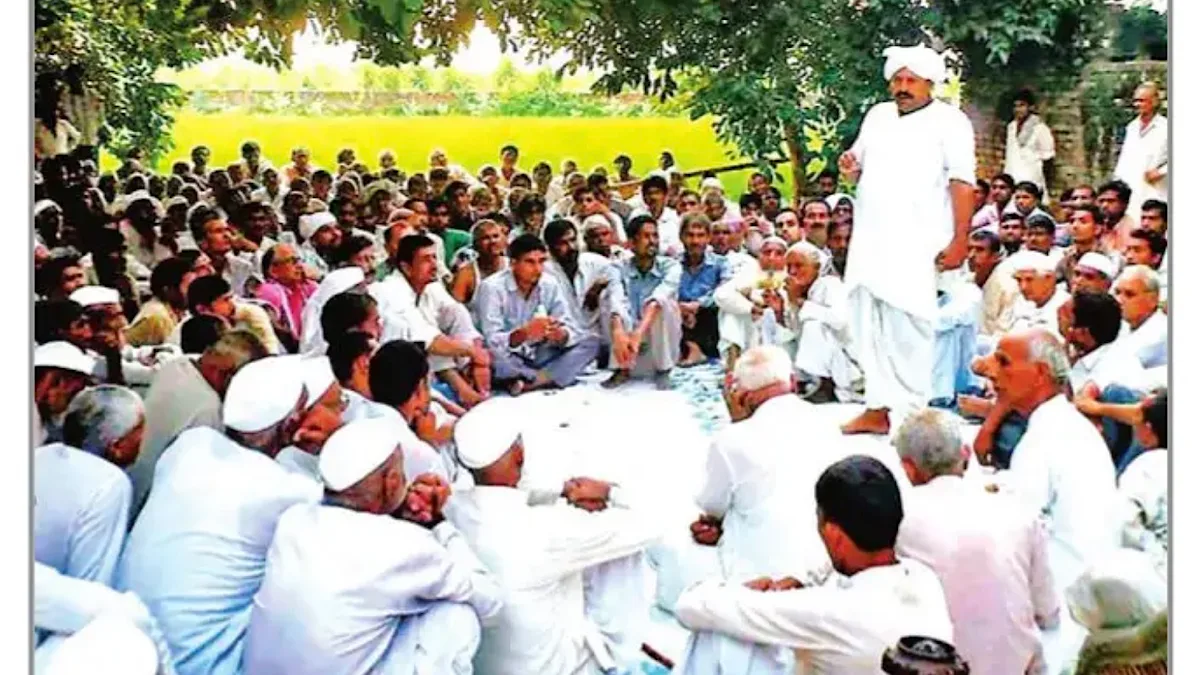
In 1993, the 73rd Constitutional Amendment was hailed as the dawn of Gram Swaraj – village self-rule rooted in democratic decentralisation. The promise was clear: Panchayati Raj Institutions (PRIs) would no longer be mere implementing arms of Delhi or state capitals, but genuine institutions of self-government. Three decades later, that promise is gasping for fiscal breath. India has successfully elected millions of village representatives. What it has failed to do is give them the one thing that guarantees autonomy: control over money. A recent RBI report on the Finances of Panchayati Raj Institutions presents a stark picture. Own Source Revenue (OSR) remains negligible, with Panchayats depending on state and central transfers for nearly 95 percent their funds.
Decentralisation, in practice, has remained administrative – not fiscal. Yet this failure is not uniform. The Panchayats Devolution Index 2024 reveals that India’s problem is not design, but political will. The contrast across regions is striking. The Devolution Index – which measures the transfer of funds, functions, and functionaries – shows southern states decisively ahead. Karnataka tops the list with a score of 72.23, followed by Kerala (70.59) and Tamil Nadu (68.38). The national average languishes at 43.69, while areas such as Jammu & Kashmir (27.85) and Jharkhand (27.73) remain near the bottom.
Advertisement
Why does the South lead? The answer lies in clarity and commitment. States like Karnataka and Andhra Pradesh have issued unambiguous orders empowering Panchayats to levy and collect taxes. In Kerala, Panchayats are not merely civic bodies; they function as planning units with independent budgets, authority over property taxes, and freedom to levy user charges without constant state approval. Decentralisation here is institutionalised, not rhetorical. Elsewhere, Panchayats remain trapped in a structural bind. Property tax – the most reliable source of local revenue – accounts for nearly 40 per cent of OSR nationwide. Yet India’s property tax-to-GDP ratio is just 0.2 per cent, among the lowest globally. This is not because rural citizens refuse to pay.
It is because, in many states, they are never properly asked. In Uttar Pradesh and Odisha, Gram Panchayats have either not been fully authorised to levy property tax or lack the operational ability to do so. Even where powers exist on paper, they are throttled by bureaucratic ambiguity – unclear definitions of “commercial property,” outdated property registers, and disputes over valuation. Compounding this is a deeper flaw: states often retain the power to assess property values while pushing the politically unpopular task of tax collection onto Panchayats. A village Sarpanch, without technical staff or surveyors, cannot realistically assess the value of a new warehouse or commercial complex. Beyond structure lies a behavioural challenge – the proximity paradox.
In villages, the tax collector and taxpayer are neighbours. A Sarpanch who enforces property tax or hikes water charges risks immediate social backlash and electoral consequences. Successful states have addressed this by letting the state play the “bad cop.” Maharashtra (Index score: 61.44) offers a useful model, where statutory minimum floor rates for local taxes are fixed by the state. This allows local leaders to tell residents, “The law requires this,” shielding them from direct blame while ensuring revenue flows. Another vast but neglected opportunity lies in common property resources – ponds, grazing lands, weekly markets, and minor forests.
Though legally meant for community benefit, control often lies with Forest or Revenue departments. A Panchayat attempting to lease a pond for fisheries or a market shed for weekly haats frequently runs into inter-departmental red tape. Transferring Operations and Maintenance rights to PRIs would not only generate revenue but also improve local stewardship and conservation. The solution is neither complex nor unknown. The Ministry of Panchayati Raj’s digital platform Samartha, aimed at end-to-end digitisation of OSR management, is a step forward. Digitisation reduces leakage, improves transparency, and creates reliable tax databases.
But technology cannot substitute political intent. State governments must recognise that hoarding fiscal power at the capital is inefficient. Home Minister Amit Shah has rightly noted that Panchayati Raj cannot succeed without revenue autonomy. Uttar Pradesh Chief Minister Yogi Adityanath has similarly called for “innovative practices” to boost Panchayat income. These statements must now translate into policy. A three-pronged approach is essential: Mandatory devolution: States must be legally bound to devolve taxation powers – especially property tax – to Gram Panchayats.
Capacity building: Scalable training programmes, such as those developed with IIM-Ahmedabad, must equip Panchayat officials with skills in valuation, accounting, and revenue management. Incentivisation : Finance Commission grants should be tightly linked to OSR performance. Panchayats that collect more should receive matching grants, creating a virtuous cycle. The 73rd Amendment delivered democratic decentralisation. But democracy without financial autonomy is hollow. Until Panchayats can pay their electricity bills without waiting for a state grant, Gram Swaraj will remain unfinished business. The southern states have shown what is possible. The rest of India must now follow.
(The writer is Director – Strategic Partnerships, Mrikal (Data/AI Center) and a Young Alumni Member, Govt. Liaison Task Force, IITKharagpur.)